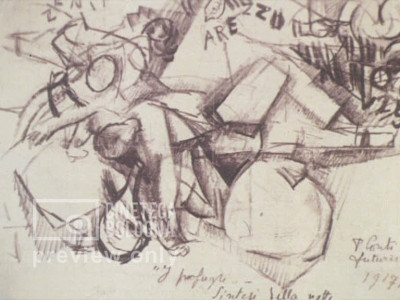
Il pittore Primo Conti (1900 - 1988) legge un libro nella sua casa di Fiesole, vengono poi ricordati i suoi esordi negli anni Dieci quando, giovanissimo, inizia a dipingere influenzato dai fauve...
Film restored in collaboration with Cinémathèque Française.
Il film, alternando alle riprese molte fotografie e filmati di repertorio, ripercorre la vita e la carriera del compositore ungherese Béla Bartók (1881-1945). Nato a Nagyszentmiklós (San Nicc...
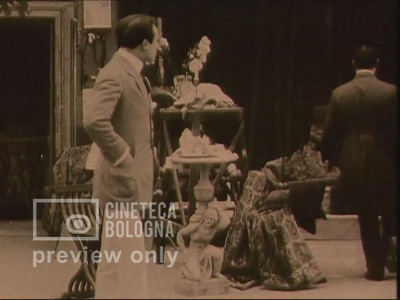
In un piccolo paese dell'Umbria vive il conte di San Secondo con sua figlia Elena, la quale ama in segreto il pittore Paolo Ardenti, un giovane di modeste origini. Rovinato da un'errata speculaz...
Si ripercorrono gli anni che crearono i presupposti per l'unità d'Italia, servendosi prevalentemente di materiale iconografico d’epoca. La battaglia di Novara e la fine della prima guerra d...
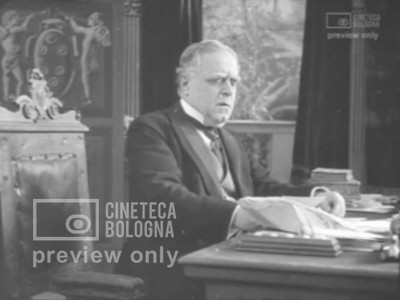
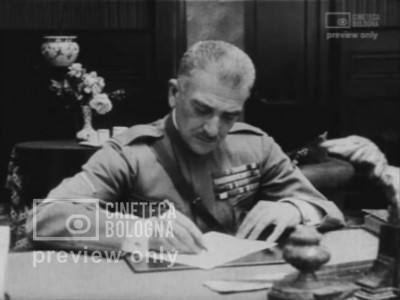
Il Generale Armando Diaz scrive un documento alla scrivania. Restaurato a partire da un frammento negativo d’epoca appartenente al fondo Fausto Correra.
Film restored in collaboration with Cinémathèque Suisse.
Spari di artiglieria di navi da guerra battenti bandiera italiana. Restaurato a partire da un frammento positivo d’epoca appartenente al fondo Fausto Correra.
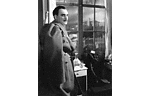
Medium shot of Rjepkin (actor: Vladimír Borský) standing next to a night stand in a hospital room. In the background is a window with a panoramic view of Brno.
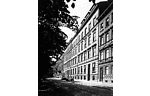
Wide shot of an empty city street with three-storeyed buildings on the right and urban greenery on the left.
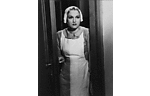
Medium shot of Nurse Mathilde (actress: Adina Mandlová) standing in a half opened door with her hand on the door handle.
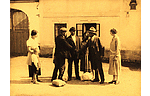
Three families on the villiage green after the mobilization. From the left Mrs. Bártová and her son, Bárta (laborer), Janda (smith) and Tomeš (farmer) pledge a loyalty to the idea of Slavonic unit...
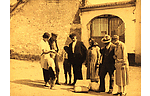
Three families on the public green after mobilization. From the left: Mrs. Bártová, Bárta and his son, Janda and his family, Tomeš and his family. Travel packages in the foreground.
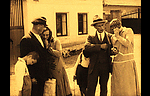
After the mobilization: women hold on men and cry. On the left Janda (smith), the second one is Tomeš (farmer).
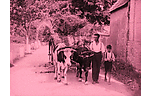
Farmer Tomeš and his son Jeníček with the oxcart full of straw.
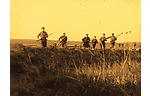
The battle of Zborov: A group of soldiers during the assault.
Die Eiko-Kriegswoche im Dienste der Auslandsaufklärung, Der Kinematograph, 453, (1915), S. 22. Bericht über eine Vorführung von Eiko-Wochenschaubildern vor dem amerikanischen Botschafter.
Die Rohfilmsorge, Der Kinematograph, 456, (1915), S. 15. Bericht über die Auswirkungen des kriegsbedingten Rohstoffmangels auf die Filmindustrie.
Die Schaffnerin der Linie 6. Ein neuzeitliches Lebensbild, Der Kinematograph, 464, (1915), S. 17-19. Werbung für einen Film, der die kriegsbedingte zunehmende Beschäftigung von Frauen in der Öffent...
K.W., Kino, Krieg und Kirche, Der Kinematograph, 465, (1915), S. 15-16. Bericht über die preußische Generalsynode, in der das Kino als verderblich angegriffen wurde. Der Verfasser entgegnet, dass di...
Passt das Kino in den Ernst der Zeit ?, Der Kinematograph, 468, (1915), S. 20-21. Die Kritik am Kino sei völlig unangebracht, da das Kino generell mit anderen Maßstäben gemessen werde als andere Un...
Stern-Film, Alkohol, Lichtbildbühne, 49, (1918), S. 69.
Die Liquidation der "Bufa", Lichtbildbühne, 50, (1918), S. 9-10. Reportage anlässlich der geplanten Auflösung des Bild-und Filmamtes. Zusammenfassung ihrer Leistung, die mit ihrem Gründer verglich...
Richard Ostwald Film GmbH, Die Prostitution, Lichtbildbühne, 50, (1918), S. 74-75. Werbung für einen Film über die Prostitution.