A trip to Trieste and its surroundings following the tracks of three great writers: Scipio Slataper, Italo Svevo and Umberto Saba.
L'arte e la vita del pittore Pietro Morando. Morando, ottantenne, cammina leggendo il giornale, arriva al suo studio situato nel centro della vecchia Alessandria. Nel cortile saluta un vicino, s...
From 1891 to 1945, a popular form of iconography thrived next to the official one documenting Italy’s political and social life. This alternative iconography can be found in humorous and satir...
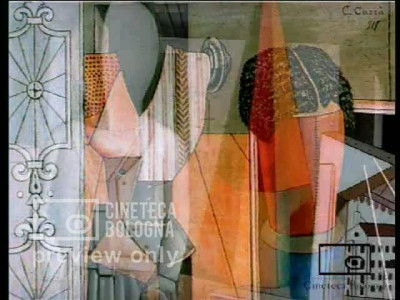
Il documentario ripercorre le tappe della produzione artistica del pittore Carlo Carrà illustrando alcune delle sue opere più note. Nato a Quargnento (Alessandria) nel 1881, Carrà nelle prime...
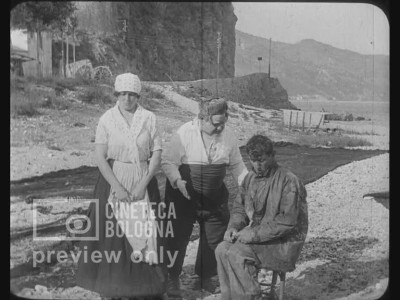
Robinet corteggia una fanciulla che sta tirando le reti a riva. Il padre della fanciulla pretende però che la figlia si metta con un pescatore, quindi Robinet si traveste e intraprende la profe...
"Difficoltà d'ogni genere si opponevano alla riproduzione cinematografica della vita degli animali marini, dovute anche alla piccolezza di questi esseri, altre alla loro straordinaria trasparen...
01 – Numero speciale. Le nostre inchieste ( Milano, 14-16/04/1969) Inaugurazione della 47° edizione della Fiera di Milano. Il presidente Saragat, con la scorta in motocicletta, giunge su una ...
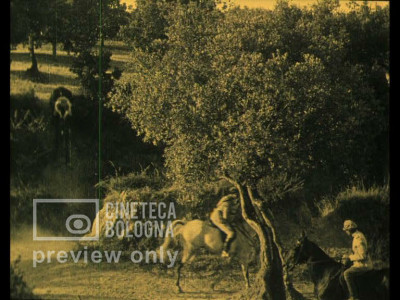
Film documenting a tortuous series of cavalry exercises. It includes a harrowing sequence of horses descending steep hills and cliffs and jumping into the water. Film restored in collaboration w...
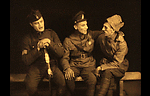
Three Russian soldiers sit on the bench and sing.
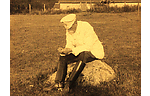
Tomáš Garrigue Masaryk - the 1st President of Czechoslovak Republic - contemplates.
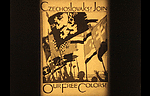
An illustrative part: Poster with the slogan: "Czechoslovaks! Join our free Colors!" and flags with provincial emblems.
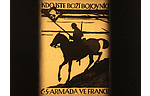
An illustrative part: Poster with the slogan: "The God´s fighters - Czechoslovak army in France" and soldier on horseback with Hussite flag.
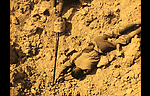
The battle of Zborov: Dead soldier and rifle with bayonet stuck in the ground.
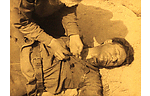
Wounded Tomeš.
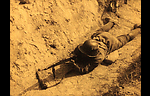
Austrian soldier with a rifle lying in the trench. A hand-grenade is in front of him.
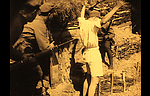
An Austrian soldier in underwear, three Russian soldiers around him.
Emil Gobbers, Das Filmdrama im Zeichen der Revolution, Der Kinematograph, 652, (1919), S. 15-16. Der Film sei dazu berufen, die Ausdrucksform einer neuen Kunst für eine neue Zeit zu sein. Wenn sich d...
Egon Jacobsohn, Neuheiten auf dem Berliner Filmmarkte, Der Kinematograph, 652, (1919), S. 21. "Die Welt, der große Kuppler" wird als kitschig und misslungen bewertet, ebenso "Die Postanweisung". "Ich...
R. Genenncher, Die Amerikaner, Der Kinematograph, 658, (1919), S. 19-20. Die amerikanische Filmindustrie sei vergleichsweise konservativ und bringe noch immer ähnliche Filme hervor, wie vor zehn Jahr...
L. B., Berliner Filmneuheiten, Der Kinematograph, 667, (1919), S. 25-27. "Kaiser Wilhelms Glück und Ende" sei noch am Vortag der Uraufführung vom Innenministerium verboten worden. Der Film stelle ei...
R.Genenncher, Der Aufklärungsfilm, Der Kinematograph, 669, (1919), S. 16. Der Aufklärungsfilm habe seine Hochzeit hinter sich. Dem eigentlich hohen und lobenswerten Anliegen des Genres habe es gesch...
Das Wichtigste der Woche, Der Kinematograph, 670, (1919), S. 25-26. Seit dem 2.11.1919 gebe es in Berlin eine freiwillige Filmzensur. Die USPD habe im Reichstag den Antrag gemacht, die Kinos zu versta...
Rolf Randolf Film, Der Doppelmord in Sarajewo, Der Kinematograph, 670, (1919), S. 3?.
Die Kommunalisierung, Der Kinematograph, 672, (1919), S. 32-33. Plädoyer gegen die Pläne der Verstaatlichung aller Kinos. Die Verstaatlichung schade nur dem Staat, blähe die Bürokratie unnötig au...