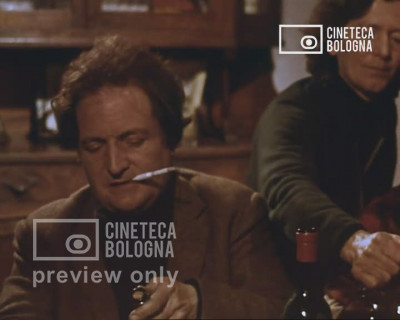
An evening at winter’s end: in Veneto, in the countryside of Treviso (in Zero Branco) the farmers have prepared bonfires for the feast of bread and wine, a propitiatory rite for a good year. T...
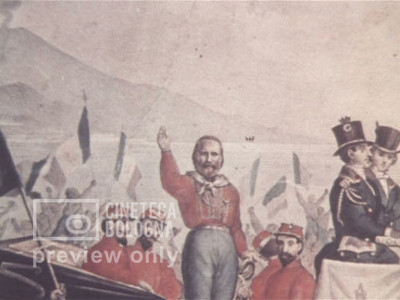
Costruito quasi interamente con illustrazioni d'epoca commentate dalla voce fuori campo, il film mette in luce i contrasti fra Garibaldi da un lato e Cavour con i Savoia dall'altro. Dopo i primi...
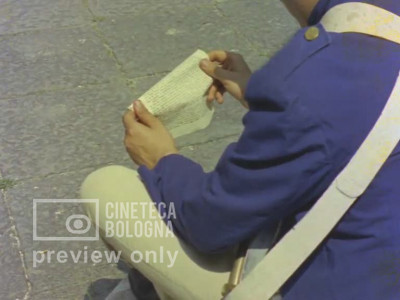
Near the bridges of Valle di Maddaloni (near Caserta), a teacher reads an excerpt from G.C. Abba’s “Noterelle di uno dei Mille” to a group of children. The excerpt is about the battle of t...
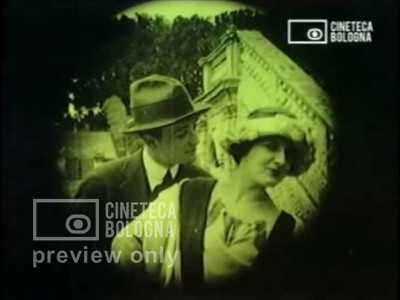
Un classico del "diva film" con la coppia romantica Francesca Bertini e Gustavo Serena, basato su un romanzo parzialmente autobiografico di Alexandre Dumas figlio pubblicato nel 1866. Questa sto...
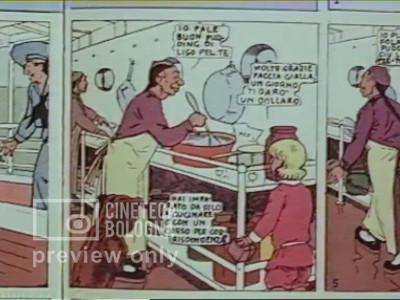
Half a century of history on the pages of the famous comic magazine “Il corriere dei piccoli”.
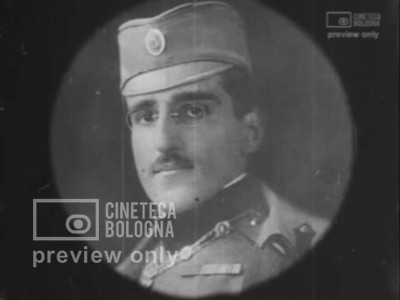
Parti frammentarie. Dopo i ritratti del principe ereditario Alessandro I di Jugoslavia (Alessandro Karađorđević) e del capo di stato maggiore dell'esercito serbo Petar Bojović, immagini dell...
Film restored in collaboration with Cinémathèque Suisse.
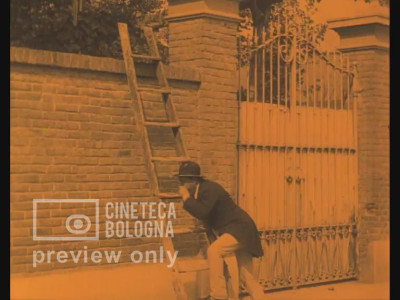
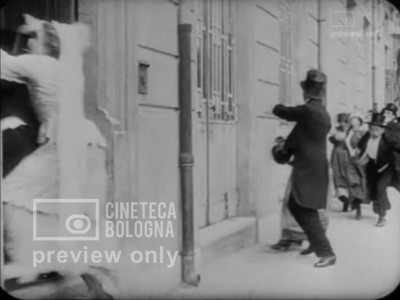
The film is constructed on a contemporary requirement tied to the wartime situation, seeing as Italy had gone to war with Austria in May 1915. At the end of the wedding ceremony the procession o...
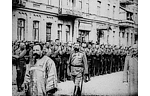
Ceremonial blessing of the flag (28th September 1914) of Czech legion in Kiev.
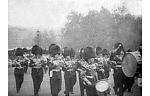
Mobilization in Great Britain. Ceremonial march of British military band in traditional fur hats.
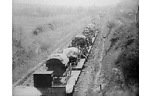
Mobilization in Germany: Train with military equipment rides on front.
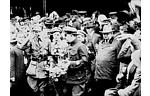
Czechoslovak volunteers are welcome in Chicago expants living in the USA.
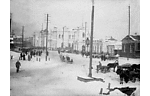
A general view of the events in front of the snow-covered railway station in Irkutsk.
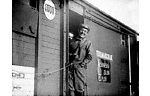
Smoking soldier at the door wagon with the inscription "Gunsmith wokshop, 3rd Regiment."
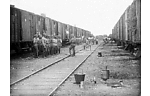
Technical troops maintained in good repair railway tracks - covering the underside of rails.
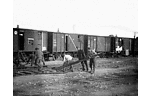
Czechoslovak volunteers on a small station in Siberia.
Dr. Sylva Luxor, "Neue Angriffe des „Vorwärts“ gegen das Kino", Der Kinematograph, 406, (1914), S. 8-9. Entgegnungen auf die Vorwürfe der Sozialdemokraten, die Kriegslage zur eigenen Bereicherun...
Edgar Költsch, Die Vorteile durch den Krieg für das Kinotheater, Der Kinematograph, 407, (1914), S. 11-12. Auch wenn es nicht so aussehe, habe das Kino durch den Krieg einen Aufschwung erlebt. Insbe...
Aus der Praxis, Der Kinematograph, 407, (1914), S. 18-22. Das Filmen auf dem Kriegsschauplatz sei nur noch mit Genehmigung des Generaltstabs erlaubt. Kommentierung vom Kriegsaufnahmen in Kinos durch ...
Horst Emscher, Der Film im Dienste der Politik, Der Kinematograph, 410, (1914), S. 15-16. Der Autor hebt hervor, dass die Kriegsführung auf publizistischer Ebene, mit der die Meinung des Auslands bee...
Kriegsecho in der Kinomusik, Der Kinematograph, 411, (1914), S. 18-19. Bericht über die musikalische Untermalung von Kriegsaufnahmen durch die Kinoorchester, die oft als störend empfunden würden.
Neuheiten auf dem Berliner Filmmarkte, Der Kinematograph, 413, (1914), S. 18-20. "Deutsche Helden" wird als Film mit ergreifender Handlung und gut nachgestellten Kampfszenen bezeichnet, der seiner Wir...
Berthold Baer, Wie lange noch ?, Der Kinematograph, 415, (1914), S. 21-22 Klage über einseitig deutschenfeindliche Kriegsberichterstattung in amerikanischen Kinos. Forderung nach deutschen Aufnahmen,...
Neuheiten auf dem Berliner Filmmarkte, Der Kinematograph, 416, (1914), S. 19-20. Rezension der Kinoneuerscheinungen. Die Zahl der rezensierten Unterhaltungsfilme (in denen Soldaten zwar dargestellt we...